
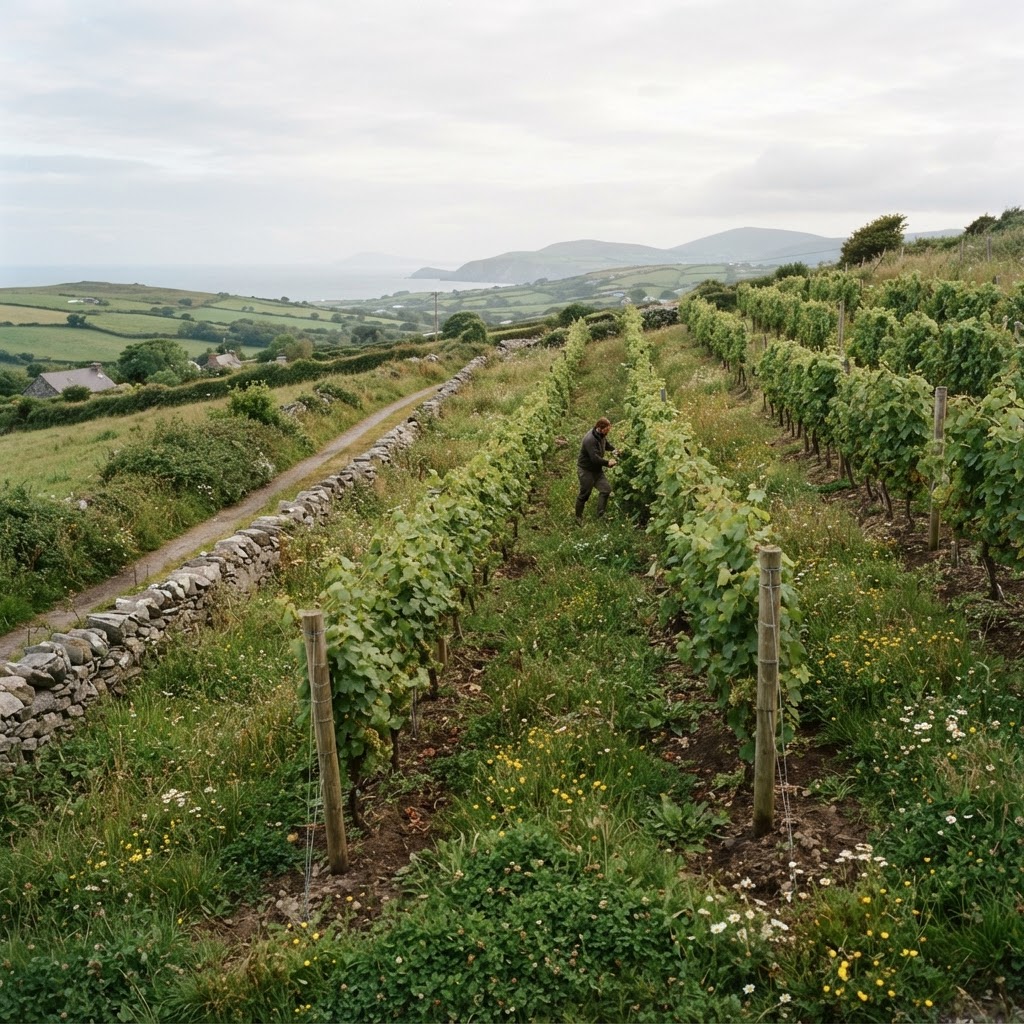
Yes, Ireland really does produce wine from grapes grown on Irish soil. And it's becoming one of the more fascinating stories in Irish food and drink.
While Ireland will never compete with France or Italy in sheer volume, a small but ambitious group of growers is proving that quality wine production is possible here.
In fact, the Republic of Ireland is officially recognised as a wine-producing country by the European Commission. A September 2026 report in the Irish Examiner also identified 27 vineyards represented by the Irish Winegrowers Association. Not all are commercial producers.
1. How does Irish weather influence the wine?
Ireland has a cool, maritime climate. Its greatest challenges are not simply low temperatures, but also high rainfall, limited sunshine, humidity and unpredictable growing seasons.
| Weather condition | Effect on Irish wine |
|---|---|
| Cool temperatures | Help preserve acidity, but can make full ripening difficult |
| Long summer daylight hours | Support vine photosynthesis during the growing season |
| Frequent rainfall | Increase fungal disease pressure and make harvest challenging |
| Mild coastal conditions | Can reduce extreme frost risk at favourable sites |
| Warmer summers | May improve ripening, but increase weather-related unpredictability |
The wines most suited to Irish conditions can have bright acidity, fresh fruit character, relatively modest alcohol and lighter structure.
That makes sparkling wine and fresh, aromatic whites particularly interesting possibilities.
2. Which grapes grow in Ireland?
Rondo — red wine
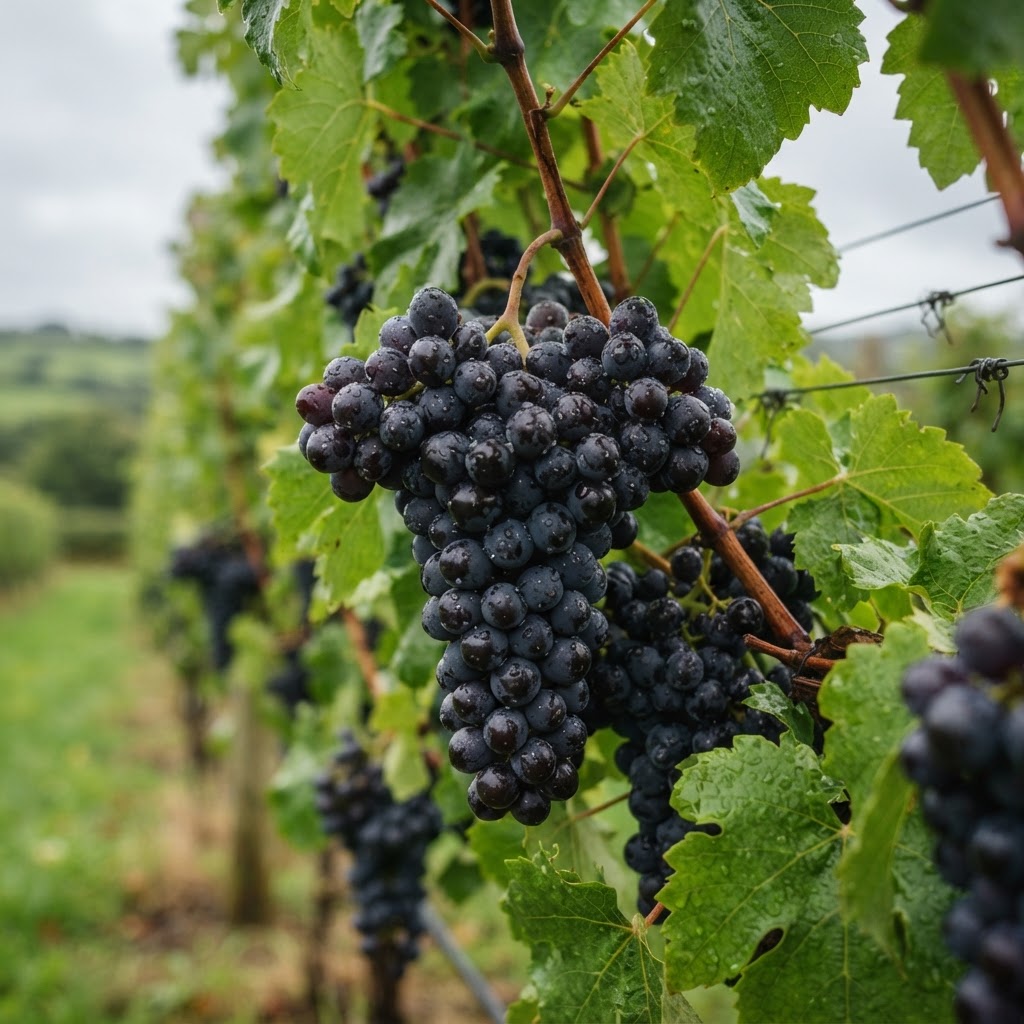
An early-ripening, disease-resistant grape capable of producing deeply coloured wines with dark berry flavours. One of the most promising varieties for Irish conditions.
Madeleine Angevine — white wine
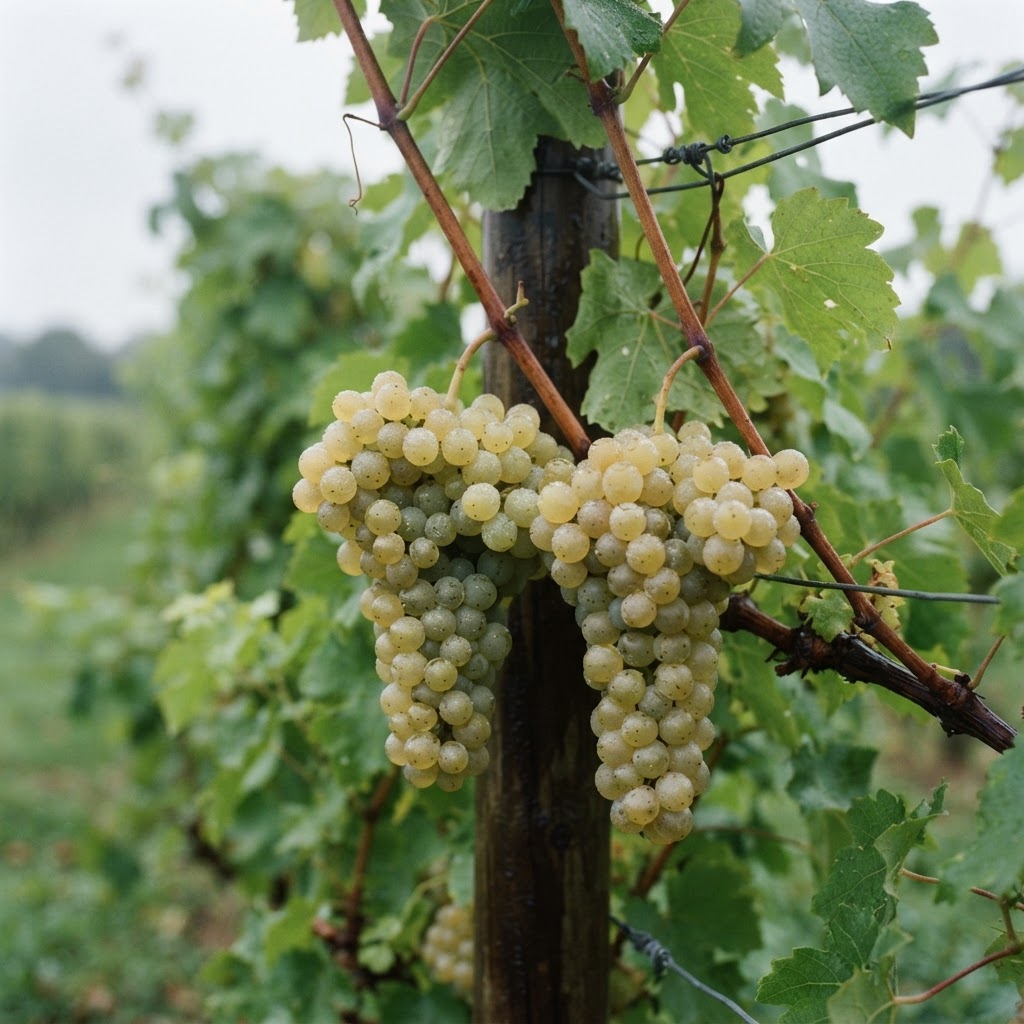
An early-ripening variety suited to cooler climates, capable of producing light, fresh, aromatic wines with citrus and floral characteristics.
Solaris — white wine
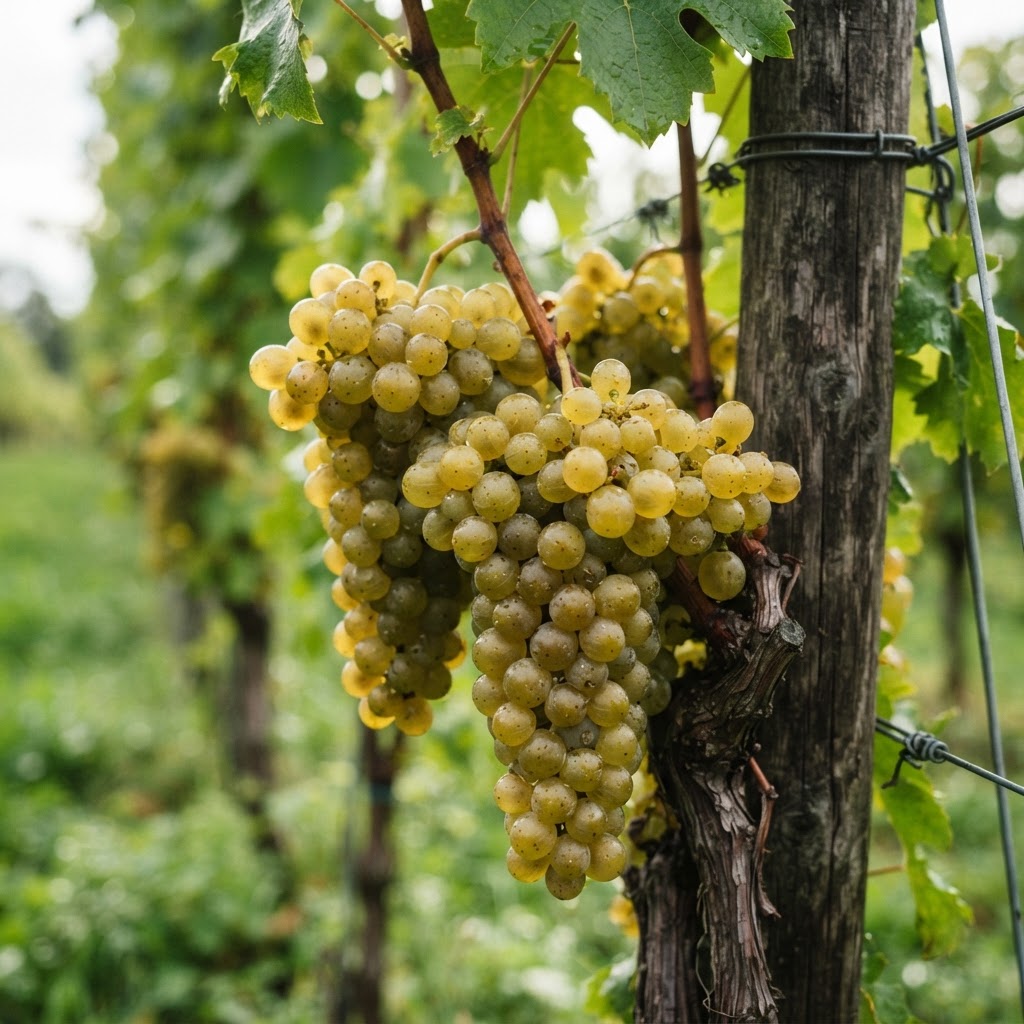
A disease-resistant variety that accumulates sugar relatively effectively in cool climates. Can produce aromatic, fruit-forward whites.
Some vineyards are also experimenting with Chardonnay, Pinot Noir, Cabernet Sauvignon and other international grapes, although consistent ripening remains difficult.
3. Irish vineyards worth knowing
Fairy Trees Winery
Dunleer, County Louth
Particularly exciting for the North East, Fairy Trees reports approximately 28,000 vines across 20 acres. The vineyard grows varieties including Solaris, Johanniter, Chardonnay and Cabernet Cortis, and offers wine experiences. Some of its wine ranges include blends involving wines from outside Ireland, so individual bottle origins are worth checking.
Lusca Vineyard
Lusk, County Dublin
Founded by David Llewellyn, Lusca is an established pioneer of Irish grape wine. Producing around 150 cases annually, it specialises in small-batch still reds and sparkling wines from its own grapes. Vineyard tours and tastings are available by arrangement.
Viking Irish Drinks
East Waterford
Founded by sommelier David Dennison, Viking produces red, white and pét-nat wines alongside craft ciders. Its outdoor vineyard covers approximately one hectare, and it offers vineyard and orchard tasting experiences.
Another significant producer is The Old Roots, which has been growing grapes in Wexford since 2015 and making wine since 2019. Its work includes both established grape varieties and experimental plantings.
4. What does the future hold for Irish wine?
Irish wine is currently a small, emerging industry rather than an established mass market.
Its future will depend on suitable grape varieties, carefully selected vineyard sites, consistent ripening, disease management and long-term commercial viability.
Climate change may open new possibilities, but wetter harvests, spring frosts and unpredictable extremes will remain significant risks.
Importantly, a wine made in Ireland is not necessarily made entirely from Irish-grown grapes. That distinction will become increasingly relevant as the industry develops.