
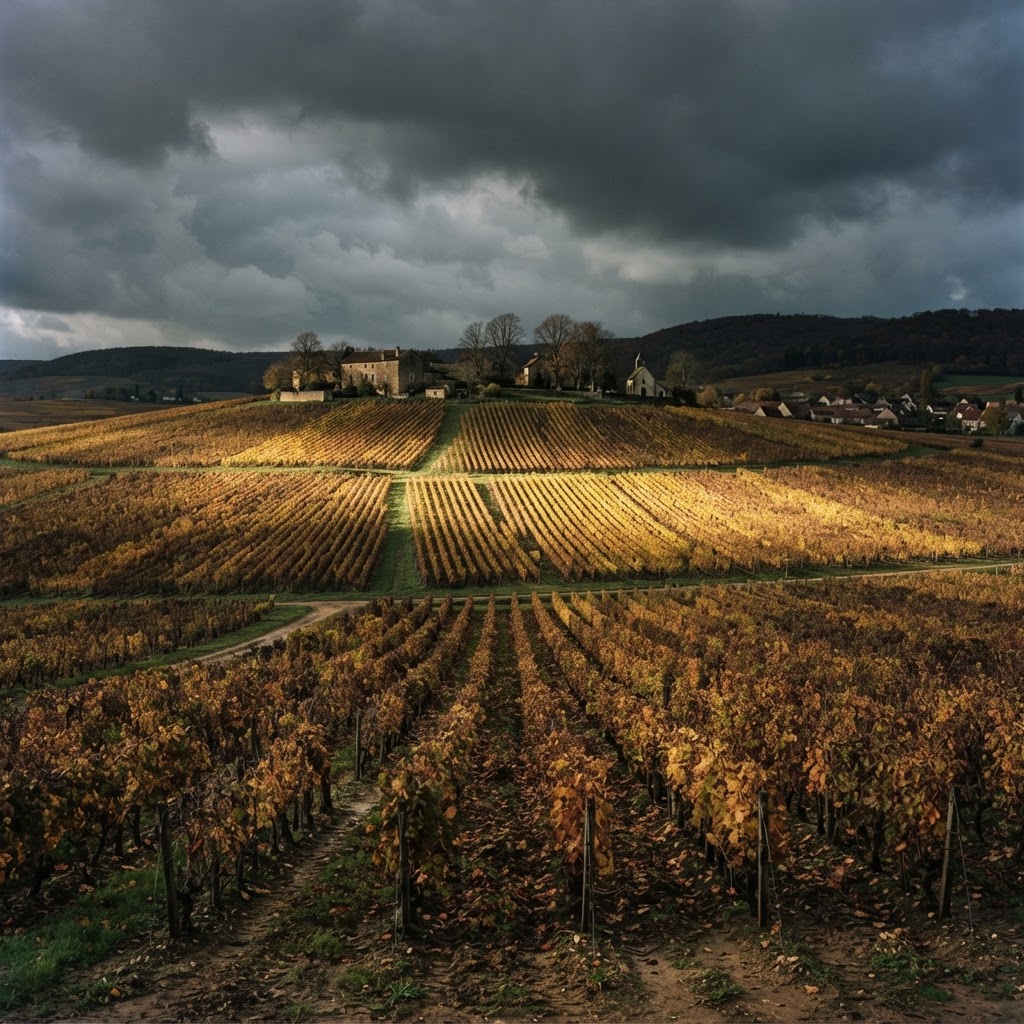
Every bottle of wine tells a story about where it comes from. But it also tells us something about the weather the grapes experienced during the growing season.
A warm summer, a rainy harvest, a late spring frost or a particularly dry year can dramatically influence the character of a wine. Weather affects everything from the grape's sugar and acidity to its flavour, colour, tannins and ultimate ageing potential.
And here's the fascinating part: the same vineyard, planted with the same grape variety, can produce noticeably different wines from one year to the next.
That's the magic — and occasionally the heartbreak — of vintage variation.
1. Sunshine and temperature: building flavour and ripeness
- Warm growing season — often produces riper grapes, higher sugar levels and fuller-bodied wines.
- Cool growing season — often preserves acidity and gives more delicate fruit expression and lighter-bodied wines.
Sunlight drives photosynthesis, allowing the vine to produce sugars that accumulate in the grapes. Temperature influences how quickly grapes develop and ripen. As grapes ripen, sugar generally increases, while malic acid tends to decrease.
| Warm season | Cool season |
|---|---|
| Higher potential alcohol | Lower potential alcohol |
| Riper fruit flavours | Fresher, sometimes greener fruit flavours |
| Lower acidity, generally | Higher acidity, generally |
| Fuller body | Lighter body |
| More generous texture | More tension and freshness |
These are tendencies, not guarantees. Harvest decisions, grape varieties, altitude and winemaking can change the outcome considerably.
A classic example: Cabernet Sauvignon
In a relatively cool vintage, Cabernet Sauvignon may display blackcurrant, redcurrant, fresh herbs and pronounced acidity, sometimes with green pepper notes.
In a warmer vintage, it might show ripe blackberry, black cherry, softer acidity and higher potential alcohol.
Both can be beautiful wines. They're simply different expressions of the growing season.
2. Rainfall: a blessing or a disaster?
Grapevines need water, particularly during early growth. But the timing and quantity of rain make a tremendous difference.
Spring rain can help establish healthy vine growth and replenish soil moisture. Moderate summer water stress, in suitable conditions, can slow excessive vegetative growth and influence berry development. Severe drought, however, can stop ripening and damage the vines.
Heavy rainfall before harvest can cause berries to swell, increase disease pressure, and potentially dilute flavours. It may also cause grape skins to split.
Perhaps the greatest concern is fungal disease, particularly bunch rot. If rain arrives just before harvest, a winemaker may face a difficult choice: pick early before grapes reach ideal ripeness, or wait and risk losing part of the crop.
The fascinating exception: noble rot
The fungus Botrytis cinerea is usually unwelcome. However, under particular conditions — often humid mornings followed by dry, sunny afternoons — it can create noble rot. This concentrates sugars, acids and flavours in the grapes, producing extraordinary sweet wines. The famous wines of Sauternes are a classic example.
One vineyard's nightmare can be another vineyard's liquid gold.
3. Frost: the silent vineyard killer
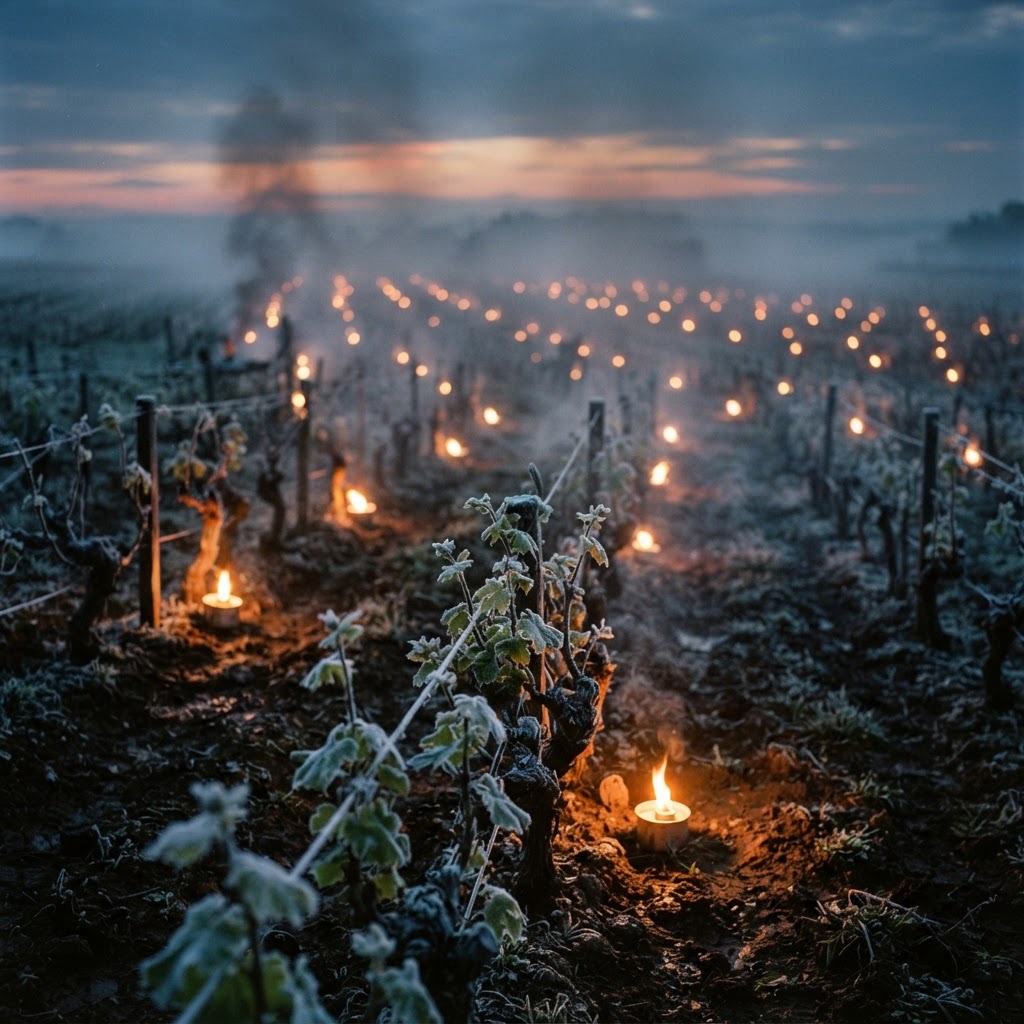
Spring frost can be devastating. When temperatures fall below freezing after the vines have begun producing tender new shoots, those young tissues can be damaged or killed. The consequences can include drastically reduced yields.
Growers sometimes use frost-protection measures such as:
- Vineyard heaters or candles.
- Wind machines to mix warmer air with colder air near the ground.
- Carefully controlled overhead sprinklers.
- Vineyard-site selection and pruning strategies to manage risk.
Frost damage doesn't necessarily make the surviving wine taste worse. Its most immediate impact is often on how much wine can be produced, rather than its quality. A vineyard might produce exceptional fruit from the surviving shoots but have far less of it to sell.
4. Heatwaves: when sunshine becomes too much
We often associate sunshine with good wine, but excessive heat can be harmful. During extreme heat, vines may experience water stress and shut down some physiological processes to conserve water.
Grapes can develop:
- Sunburn and shrivelling.
- Rapid sugar accumulation relative to flavour development.
- Loss of malic acid.
- Imbalances between sugar, acidity and phenolic ripeness.
This is particularly important in regions already experiencing hot, dry summers. For example, a heatwave in a Mediterranean vineyard could produce a wine with high alcohol and low acidity unless vineyard management, harvest decisions and other factors help maintain balance.
The important principle is that grapes need enough warmth to ripen, but not so much that ripening becomes unbalanced.
5. Hailstorms: minutes that can destroy a vintage
Hail is one of the most dramatic weather risks facing wine producers. A severe storm can destroy fruit, shred leaves and damage vines within minutes.
Burgundy, Champagne and parts of northern Italy have all experienced damaging hailstorms. The biggest immediate concern is crop loss. Damaged berries may also become vulnerable to disease.
Hail can strike individual vineyards very unevenly, meaning neighbouring producers can experience completely different outcomes in the same vintage.
6. The harvest: the most critical weather window
A grower might enjoy a nearly perfect growing season, only to face days of heavy rain when the grapes are ready to pick.
Harvest weather affects whether grapes can be brought into the winery at their desired levels of ripeness and in healthy condition. Warm, dry conditions can give growers more flexibility over picking dates. Persistent rain may force difficult decisions.
The challenge is not simply to grow ripe grapes, but to harvest them at the precise point where sugar, acidity, flavour, tannin and overall fruit health are in harmony.
7. Why one vintage tastes different from another
Weather varies from year to year. That variation can be tasted in the glass.
Take a Pinot Noir from Burgundy. The same producer might make two very different wines from the same vineyard.
Cooler vintage — bright and delicate. Red cherry, raspberry, higher acidity, lighter body and potentially firmer tannins.
Warmer vintage — ripe and generous. Black cherry, plum, softer acidity, fuller body and potentially higher alcohol.
This is why vintage matters in regions such as Burgundy, Bordeaux and Champagne, where the weather can change substantially between growing seasons.
In fact, an Oxford University study examining 70 years of Bordeaux wine scores found associations between higher-rated vintages and warmer temperatures, greater winter rainfall and earlier, shorter growing seasons. That doesn't mean hotter is always better, particularly when heat becomes extreme.
8. Weather versus climate versus terroir
These three concepts are related, but they are not interchangeable.
- Climate is what a wine region can generally expect over many years: its typical temperature, rainfall and sunshine.
- Weather is what actually happens during a particular growing season.
- Terroir is the broader combination of environmental influences, including climate, soil, topography and site characteristics, that interact with the vine.
A particularly useful concept is the diurnal temperature range — the difference between daytime and nighttime temperatures. Warm days can support ripening, while cooler nights can help preserve acidity, although the effect depends on the grape and growing conditions.
9. Climate change: the future of wine
Rising temperatures and more frequent weather extremes are already creating challenges for wine producers.
Traditional regions may face earlier harvests, increasing alcohol levels, declining acidity and greater drought or heat stress. In response, producers are experimenting with later-ripening grape varieties, changing canopy management, adjusting vineyard locations and exploring higher-altitude sites.
At the same time, some historically marginal cool-climate areas are becoming more suitable for quality wine production. English sparkling wine is an interesting example of the opportunities associated with warming conditions, although producers there still face substantial frost and rainfall risks.
Climate change is not simply making every wine region warmer. It is also increasing the importance of managing weather variability and extreme events.
10. Bring the weather into your wine tasting
For a Food & Drink Society tasting, I'd use a side-by-side comparison of two Pinot Noirs from the same producer and vineyard, but different vintages.
Ask guests to consider the fruit ripeness, acidity, alcohol, tannin texture and overall balance. Then reveal the growing-season conditions. It's a wonderful way to demonstrate that vintage isn't merely a date on a label; it can be a genuine part of the wine's personality.
The key takeaway
Sunshine builds ripeness. Cool conditions help preserve freshness. Water supports growth. Extreme weather can threaten the entire harvest.
The greatest wines don't necessarily come from the hottest or sunniest years. They come from grapes that achieve the right balance for their variety, region and intended wine style.
And that's why two bottles from the same vineyard, just twelve months apart, can tell completely different stories.
Wine is nature, interpreted by the winemaker — and weather has a very significant say in the final result.